
 Français
 Latine
 日本語
日本語 한국어
한국어 Tiếng Việt
 বাংলা
বাংলা ไทย
ไทย Hrvatski
 čeština
 dansk
dansk Nederlands
 Pilipino
 Suomalainen
 Deutsch
 Magyar
 Indonesia
 italiano
 Gaeilge
 Bahasa Melayu
 norsk
norsk فارسی
فارسی Polskie
 Português
 Română
 Slovák
 svenska
 Türk
Türk
Rolled aluminum coil that arrives two percent heavy at the head end and one percent light at the tail costs far more than one rejected coil. The coater starts chasing line speed to hold cure, the oven drifts, and panels cut from opposite ends of the same coil end up with a visible color difference that nobody can explain to the customer. Aluminum rolling mills set the gauge, flatness, camber and surface condition that every downstream machine inherits, which is why coil quality is a production issue rather than a purchasing detail.
The conclusion first: a rolling mill is a thickness reduction machine, but what a buyer actually purchases is repeatability. A mill that holds tight tolerances on every coil lets a coating or composite line run on a fixed recipe. A mill that does not turns every shift into a manual correction exercise. The pages that follow explain how hot, cold and foil rolling differ, which coil parameters belong in a purchase specification, and how those parameters travel through coating, lamination and panel finishing.
What an aluminum rolling mill actually changes
A rolling mill passes metal between one or more pairs of rolls. Each pass reduces thickness and, at the same time, rewrites grain structure, temper, flatness and surface texture. Hot rolling starts from a cast slab at roughly 300 to 500 Celsius and brings the ingot down to a transfer gauge. Cold rolling, usually on a reversing or tandem mill, delivers the final thickness together with the mechanical properties the customer ordered. Foil rolling uses stacked rolls to reach thicknesses measured in microns, where surface quality matters more than strength.
Share of incoming thickness removed in one pass
The bars show how much of the incoming thickness disappears in a single pass at each stage, and the differences explain why downstream buyers should treat hot rolled and cold rolled coil as different materials rather than different sizes of the same material. Hot rolling removes a large absolute amount of metal per pass, but it leaves a surface that still carries scale, roll marks and a noticeably wider gauge band. Cold rolling removes less metal per pass in absolute terms, yet it is the stage where gauge tolerance and flatness are actually created, which is why cold rolled coil is the normal feedstock for coating and lamination lines. Foil rolling takes the heaviest percentage reductions of all, but only because the strip is already thin and the roll stack supports it closely on both sides. When a specification simply says cold rolled without naming a tolerance class, the mill is free to deliver anywhere inside that wide band, and the coating line quietly absorbs the difference through scrap and rework.
Coil parameters that decide downstream yield
Six numbers do most of the damage when they drift. The table below lists them with values a well controlled mill can normally hold, together with the symptom that appears on the production floor when they move outside the band.
| Parameter | Practical target | Downstream symptom when it drifts |
|---|---|---|
| Gauge tolerance | Within 1 percent of nominal across the coil | Coating weight and cure shift, line speed adjusted coil by coil |
| Crown | Under 1 percent of strip width | Strip tracking errors, uneven lamination pressure, edge wave |
| Flatness | Within 10 I units | Wrinkles in the accumulator, scratches on guide rolls |
| Camber | Under 3 mm over 2 m of length | Diagonal drift on the line, poor registration on printed finishes |
| Surface residue | Under 20 mg per square metre of oil | Adhesion loss, blistering after curing, coating pick off |
| Coil inner diameter and weight | Matched to the uncoiler and mandrel | Rewinding stops, telescoping, unsafe handling |
Gauge deviation across a ten coil rolling campaign
The two lines follow gauge deviation across a campaign of ten coils, and the shape of the curves matters more than any single reading. The upper line represents a mill that runs long campaigns between roll changes, so deviation starts inside tolerance and then climbs steadily as the work rolls wear and thermal crown builds up. The lower line belongs to a mill that changes rolls more often, which keeps deviation flat and means the customer receives much the same product in coil ten as in coil one. A coating line cannot tell the difference between these two mills from a single sample, because both may pass incoming inspection on the first coil of a campaign. The difference only becomes visible in the scrap rate across a month, which is why incoming inspection should sample the head, middle and tail of several coils drawn from the same campaign rather than testing one coil thoroughly.
Where rolled coil enters the coating and lamination line
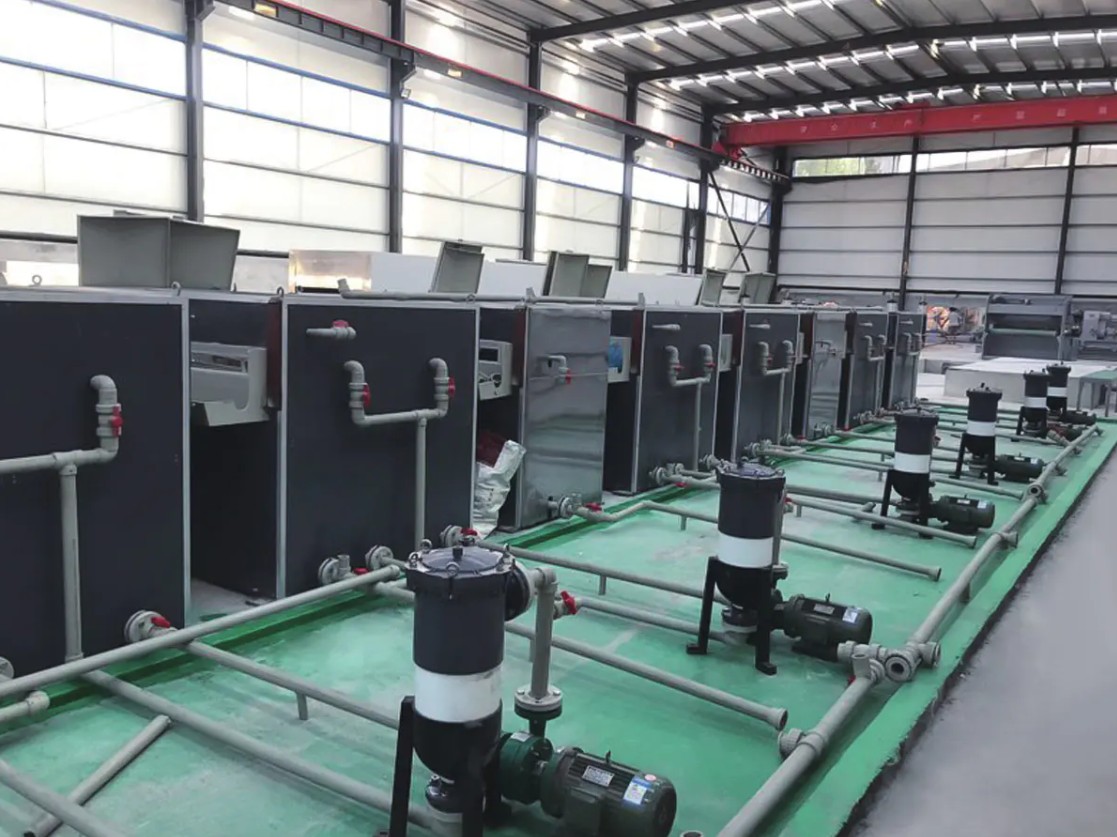
For most architectural and transport applications the rolled coil is not the finished product. It first passes through a coating line: alkaline cleaning, a conversion coating, a primer, then a top coat cured in an oven, with optional printing or film lamination before recoiling. Each of those steps reacts to the metal surface the mill delivered, which is the practical reason pretreatment is specified so carefully on a modern coating installation.
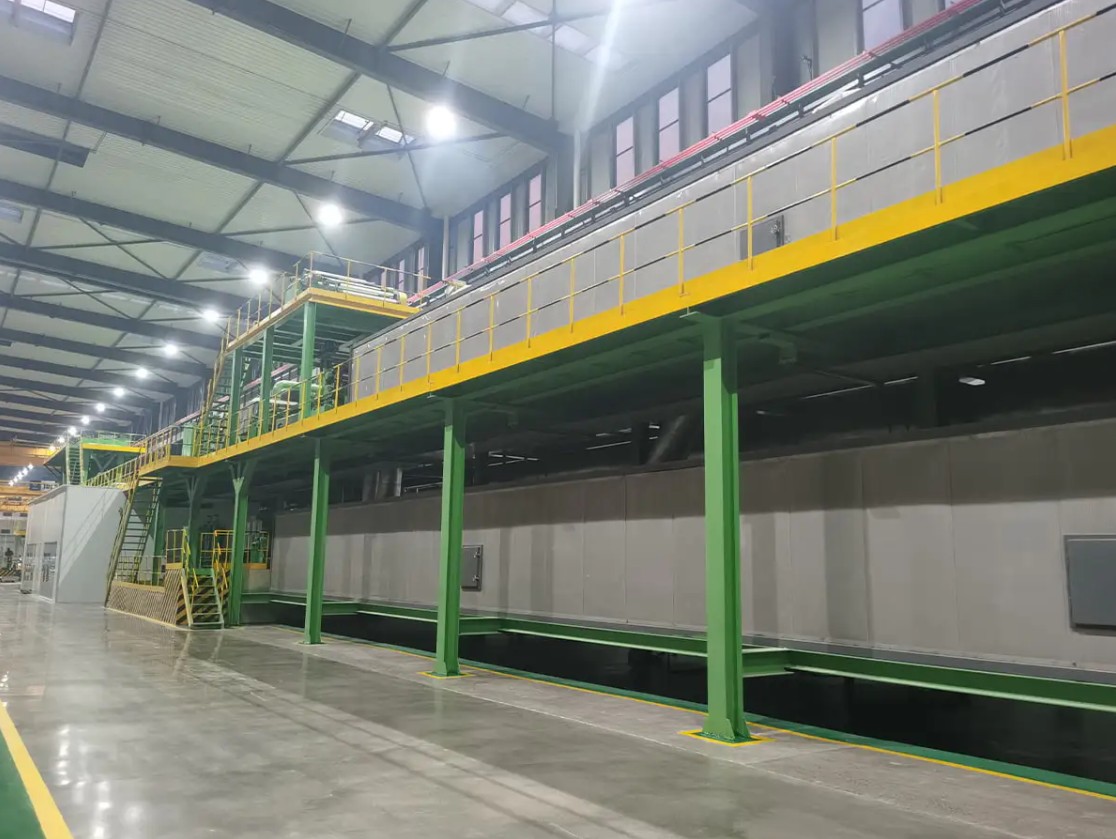
 Aluminum/Steel Coil Coating and Printing LineEquipment AccessoriesView Product →
Residual rolling oil that a mill considered perfectly acceptable for stamping becomes an adhesion risk the moment the coil is painted. Emulsion carry over, oxide patches and inconsistent roughness all show up as wetting defects that a good cleaning section can hide for a while and then cannot hide at all once line speed increases. This is why coating line specifications usually call out both the chemistry of the pretreatment and the incoming surface cleanliness of the coil, since a line cannot compensate for a surface it never fully cleans.
Coil related causes of downtime on a coating line
The column chart ranks the reasons a coil coating line stops or slows, based only on causes that trace back to the incoming coil rather than to the line itself. Edge damage is the largest single contributor, because coil edges form the thinnest part of the cross section and are the most easily dented during handling and transport. Gauge variation comes second: every new coil with a different average gauge forces a new speed and oven set point, and the transition coils usually end up as scrap. Surface residue ranks third and is the most deceptive of the group, since the coil looks clean on the floor and the failure only appears after curing or after the finished panel is bent. Camber and wraps together account for roughly a quarter of the incidents, and both are transport, storage and handling problems as much as they are rolling problems.
From coated coil to a finished composite panel
Once the coil is painted, a composite panel line laminates it to a core and produces the flat sheet used on facades, signage, transport interiors and cladding systems. Fire rated products such as A2 and B1 panels demand a mineral filled core and a controlled adhesive layer, and the line has to hold thickness and bond strength simultaneously at production speed. The rolling mill's contribution becomes indirect at this stage but stays visible: gauge uniformity determines whether both skins laminate at the same tension, and flatness determines whether the finished panel is still flat after the cooling section. If you are weighing equipment options, this guide on how to choose a high performance metal composite panel production line explains the line level trade offs that sit on top of coil quality.
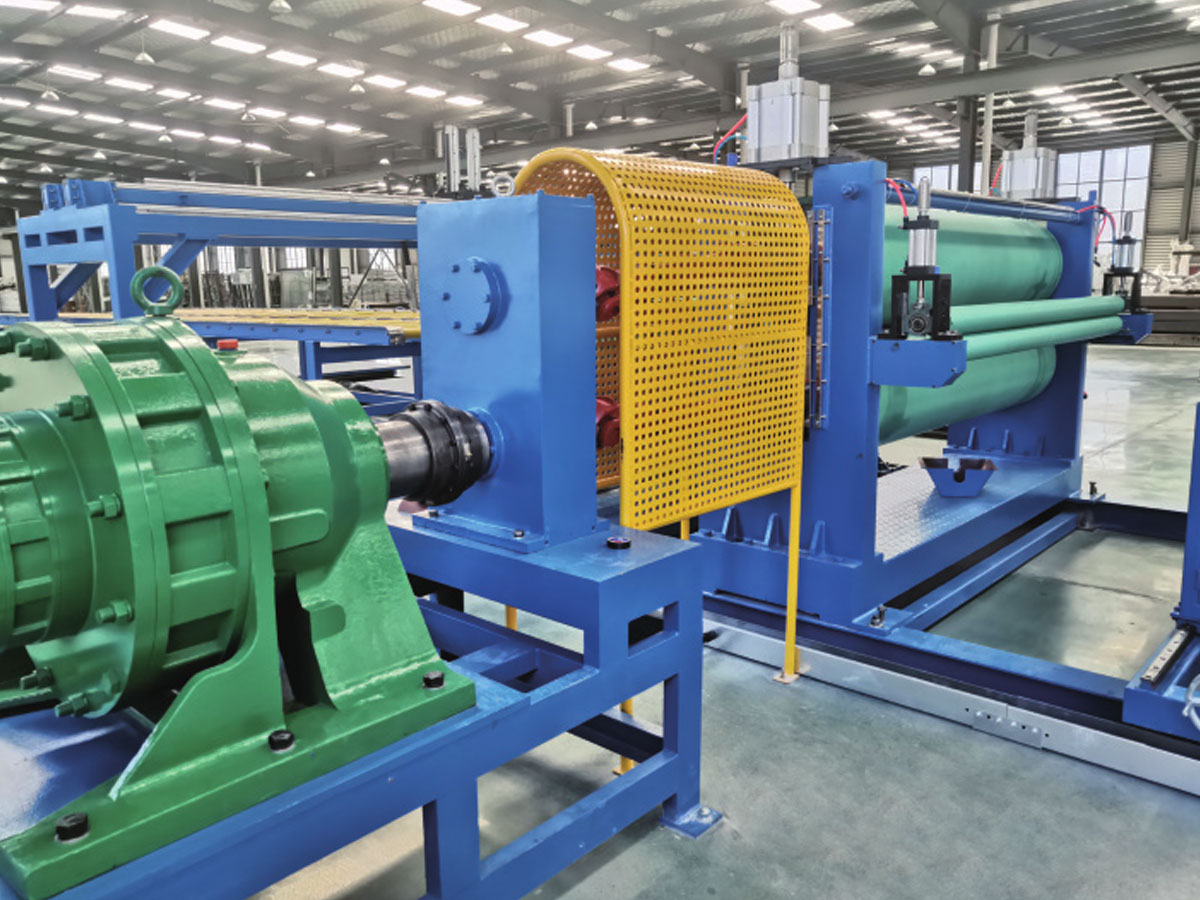 A2 Metal Composite Panel Production LineIn 2012, we independently developed the A2 Metal Composite Panel Production Line, a second-generation continuous lamination line specifically designed for producing Cl...View Product →
Practical experience on these lines points to the same conclusion again and again: buyers who lock down coil tolerances before the line is commissioned spend their first year improving yield, while buyers who treat coil as a commodity spend it firefighting. It is cheaper to reject a coil at goods inwards than to reject a finished panel on a facade.
Comparing coil sources before you sign
Most manufacturers buy from more than one source, and the profiles differ in ways that only appear under production pressure.
Coil source profile across five purchasing criteria
The radar chart compares two common coil sources across the five criteria that matter most to a coating or lamination line, with the outer ring standing for best in class performance. The darker shape is an integrated mill that casts, rolls and ships from one site, and it scores strongly on gauge control because the rolling schedule and the metallurgy are managed by a single team. The lighter shape is a trader or service centre that buys coil on the open market and resells it, and its profile is naturally weaker on gauge control and flatness because it has no influence over the rolling pass schedule. Delivery consistency is the one axis where the trader can match or beat the mill, since a service centre often holds stock and can ship a single coil faster than a mill can schedule a campaign. The practical reading is straightforward: traders suit small runs and urgent replacement coils, while fire rated facades, printed finishes and structural panels usually justify the higher price of coil with a documented rolling history.
- Ask for the coil certificate with heat number, alloy, temper and the stated gauge tolerance band.
- Sample head, middle and tail of at least two coils from the same campaign instead of testing one coil thoroughly.
- Ask how long the campaign runs between roll changes, because that single answer predicts gauge drift.
- Confirm coil inner diameter, weight and eye orientation against your uncoiler before the first delivery.
- Check camber with a straight edge on the floor, not on the machine, so handling damage does not hide it.
Building the specification around your line, not the mill
Most disputes over rolled aluminum come from specifications written for the convenience of the rolling mill rather than the reality of the finishing line. A tolerance band that suits a general fabricator will not suit a line running a fixed coating recipe at constant speed, and the gap is always paid for at the end of the process. The reverse is also true, since over specifying gauge and flatness on a product that will be cut into small pieces simply adds cost without adding yield.
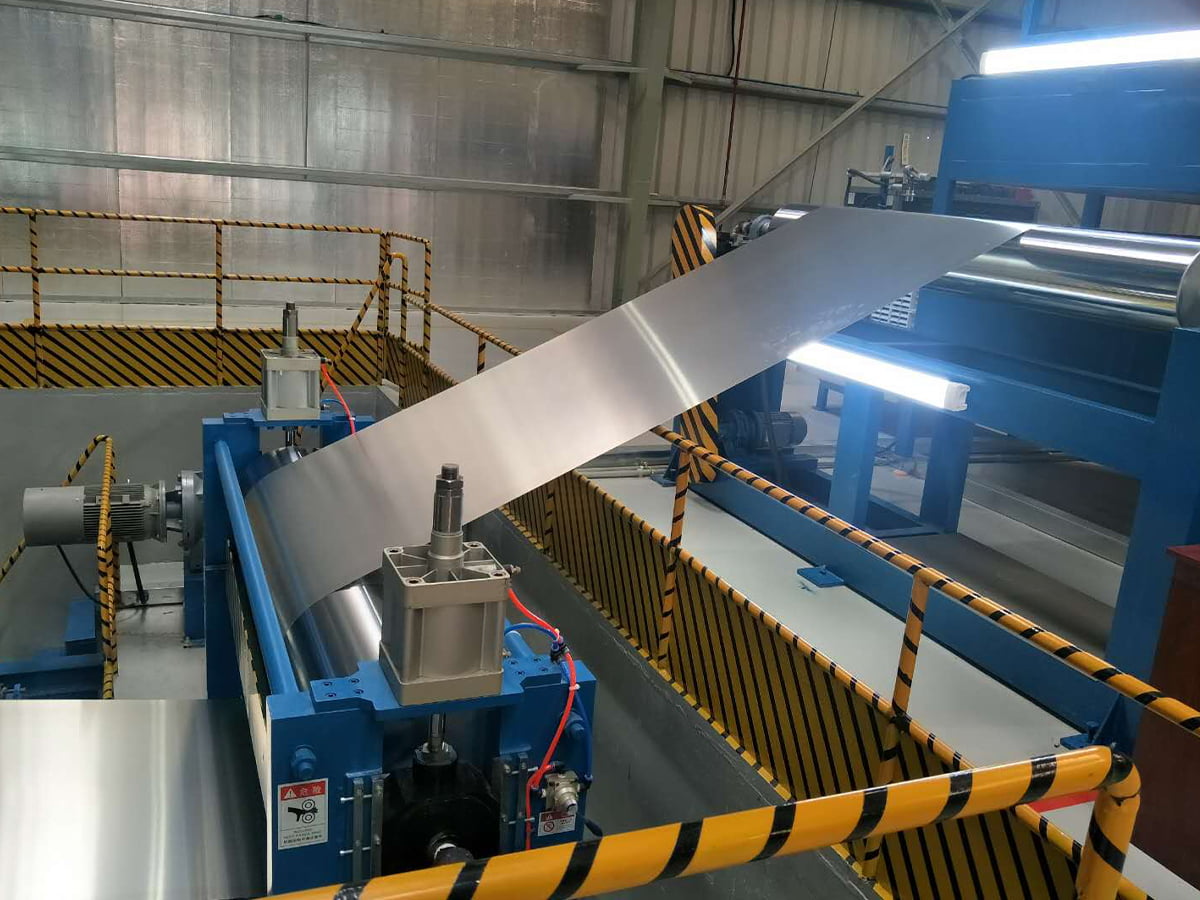
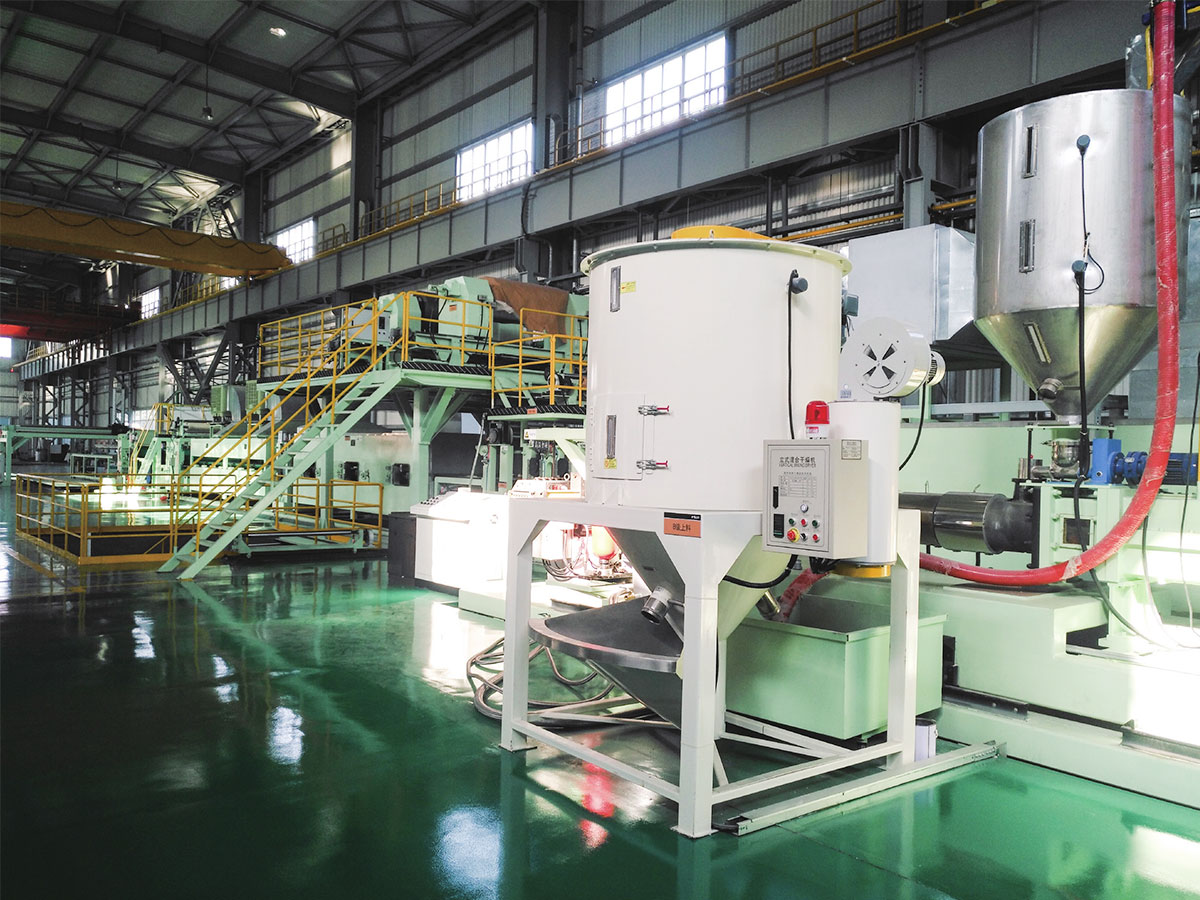 Coil Rerolling Production LineProduct introduction: The post-processing and finishing of coil materials are important links to ensure product quality. The rewinding line production line is a specia...View Product →
It is also worth planning for imperfect coil rather than assuming it away. Where incoming material regularly arrives with coil set, telescoping or an unstable wrap, a rerolling step that restores tension profile is usually cheaper than scrapping finished panels or running the coating line at reduced speed for an entire shift. The same logic applies to edge condition: an online trimming and edge delamination station can rescue material that would otherwise be downgraded, provided the defect is consistent rather than random.
The pattern that holds across every material we work with is this. Rolling quality sets the ceiling on yield, equipment quality determines how close to that ceiling you actually run, and the two have to be specified together. If you are matching a new coating or composite line to a coil supply that already exists, or the other way round, talk to our engineers before the purchase order is issued, because the cheapest moment to fix a tolerance mismatch is before any steel or aluminum is cut.